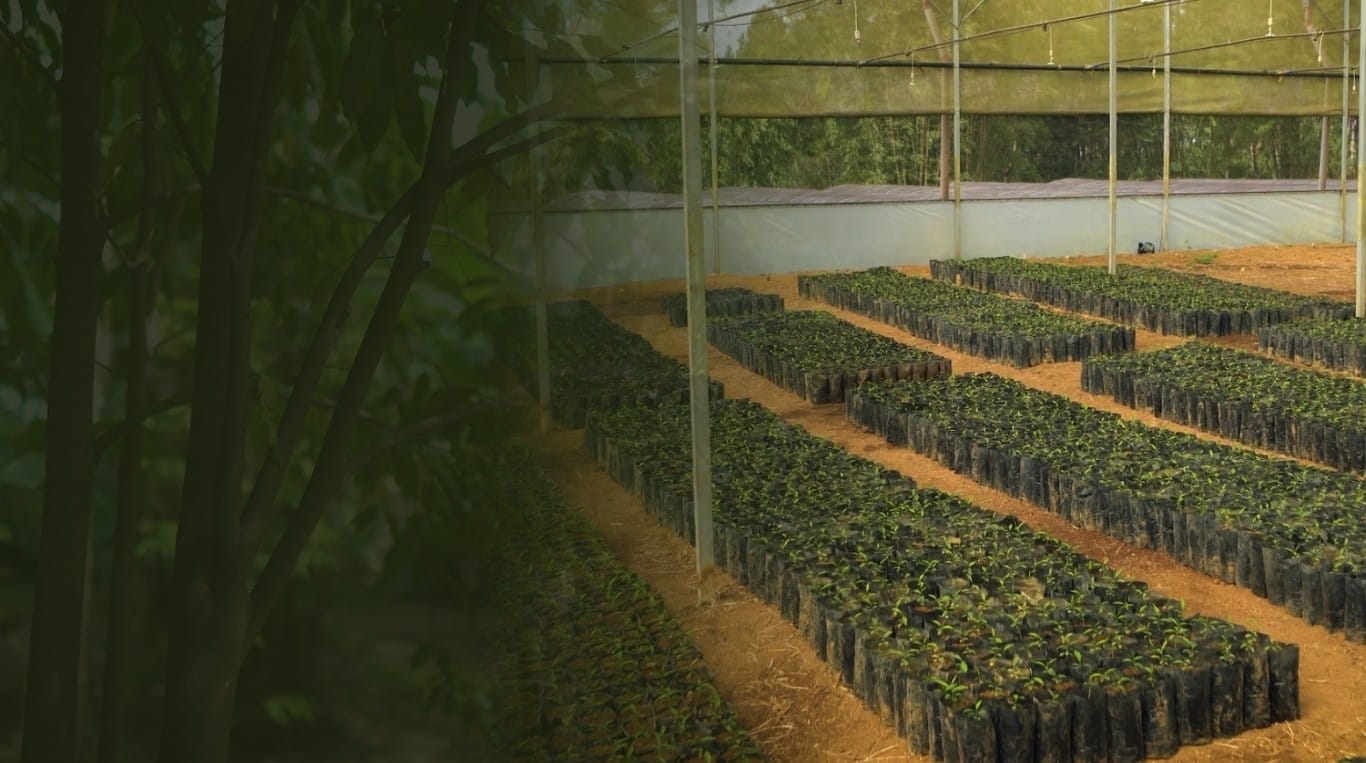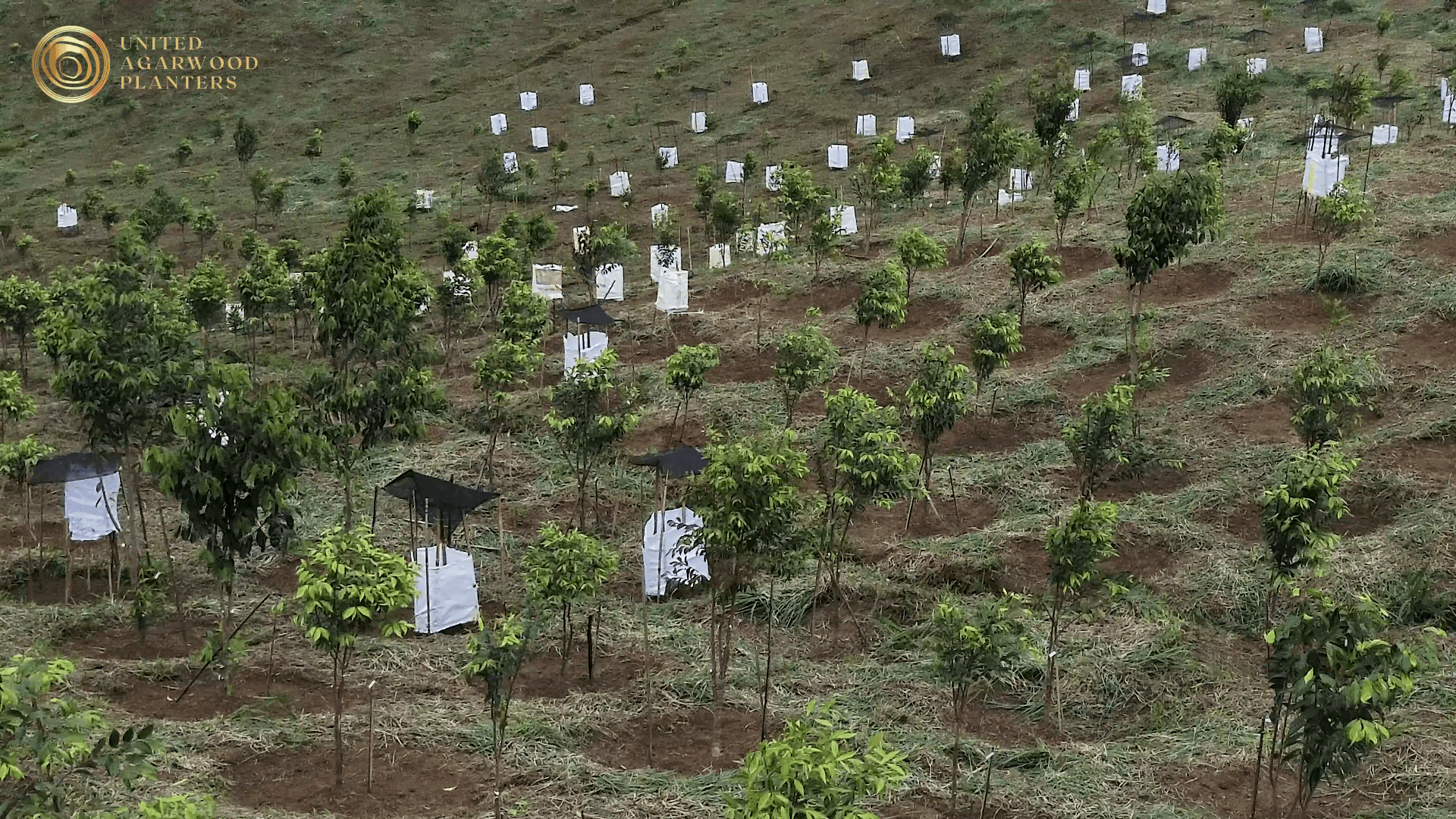
Agarwood is produced by Aquilaria trees – known locally as Lapnisan, and internationally as the source of Oud. Aquilaria malaccensis and related species are native to the Philippines and across tropical Asia, but critically endangered in the wild. Wild harvest has been prohibited under CITES since 1995. Legal commercial supply can only come from licensed plantations.
It is the highest-value agroforestry product in the world. Mature, high-grade agarwood resin can command prices exceeding USD 100,000 per kilogram.
Agarwood is not the wood itself – it is a resin. The tree produces it as a stress response to injury, infection, or infestation. Under natural conditions, fewer than 2% of wild trees ever produce meaningful resin formation. In the wild, the process takes decades.
Modern plantation science has changed this. Controlled inoculation – introducing the right biological agents under managed conditions – triggers targeted resin formation on a predictable timeline. This is what makes commercial agarwood production viable
Year 1–4
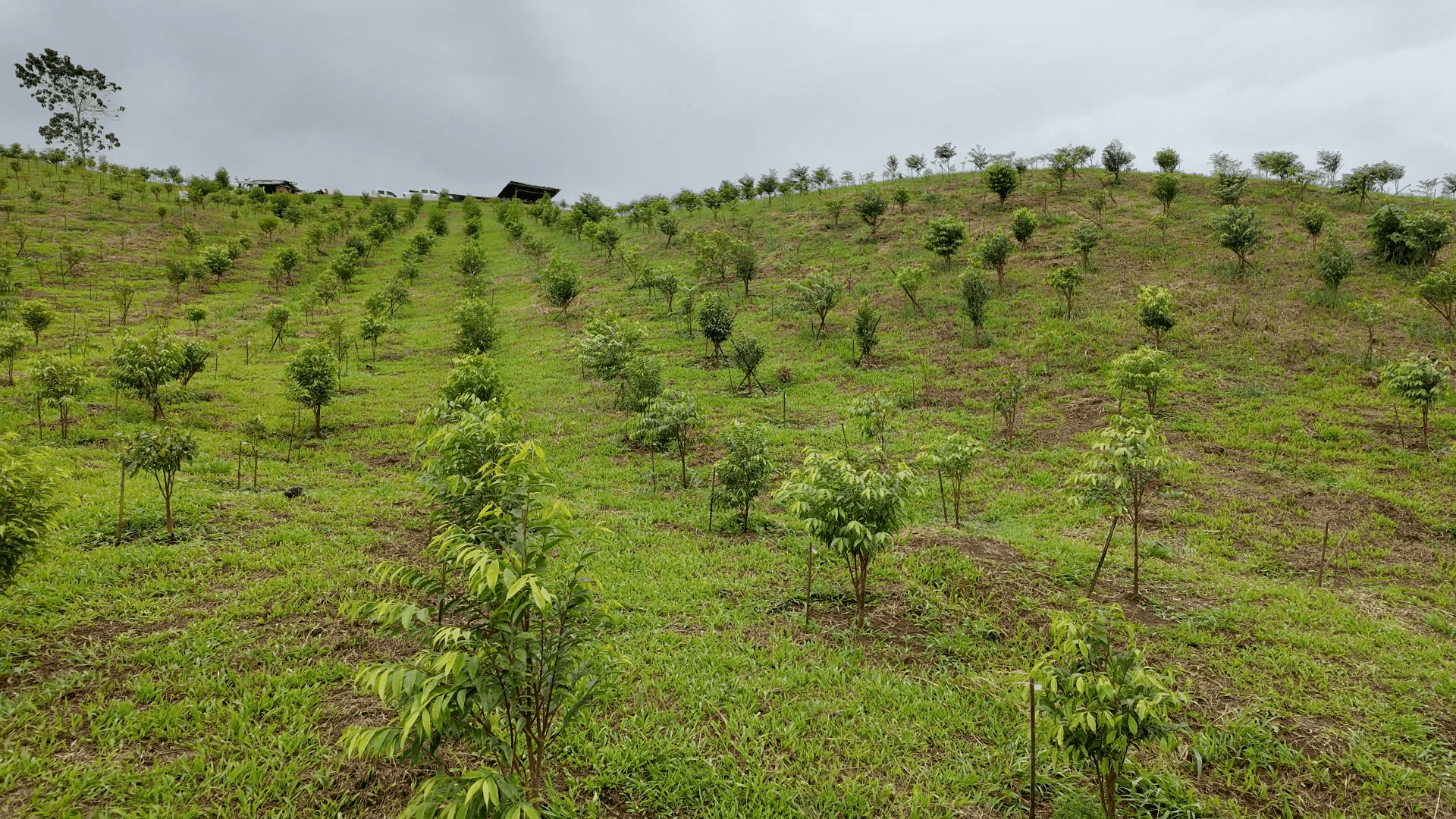
Seedling establishment and plantation development
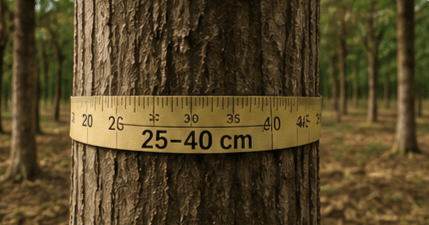
Year 5
Tree maturation; trunk diameter reaches inoculation threshold (25–40 cm)
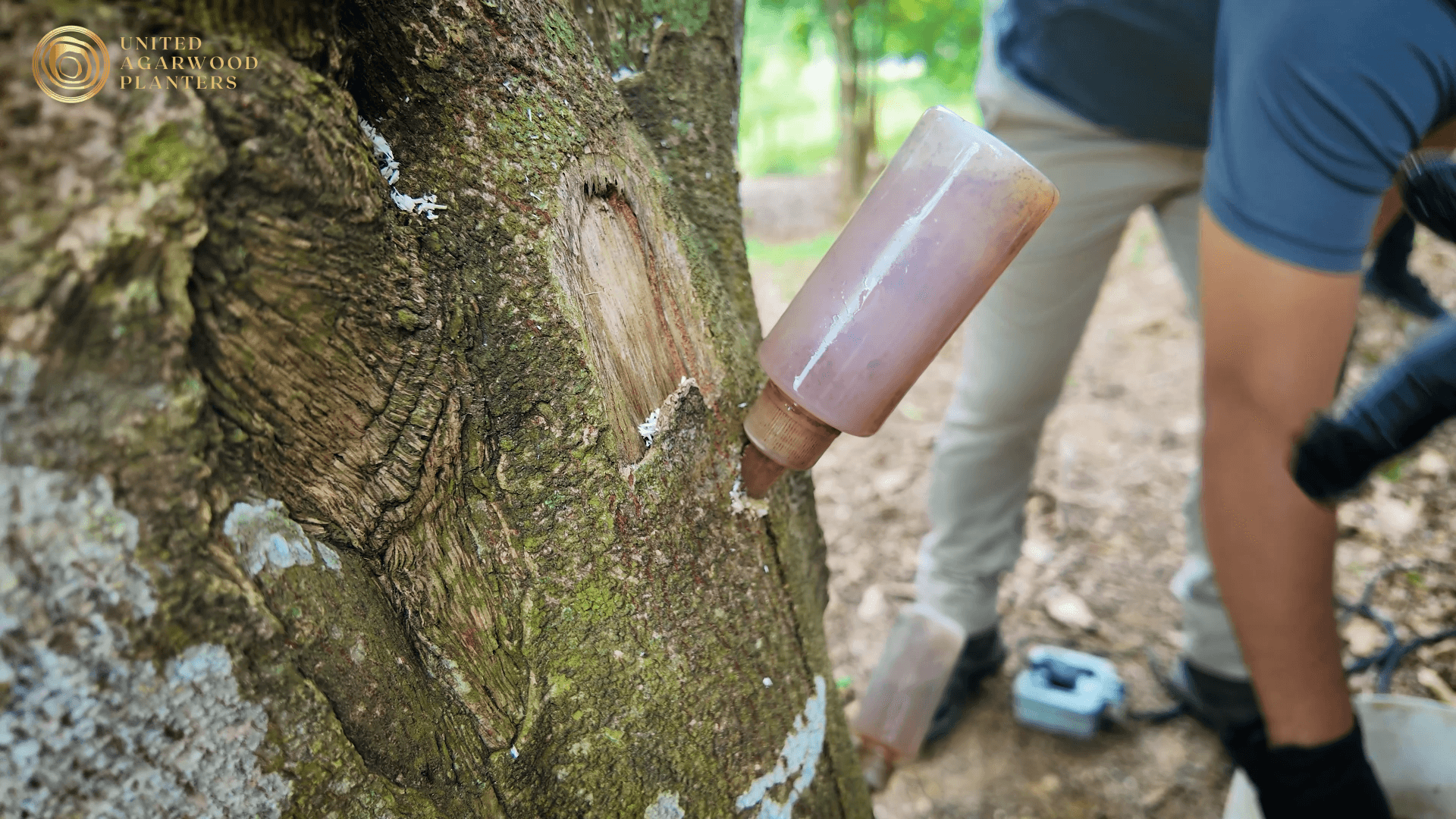
Year 5
Inoculation with OUDIno technology
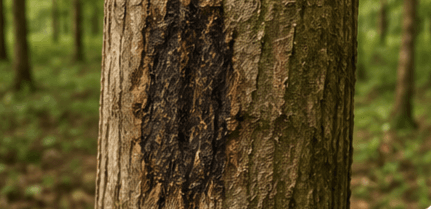
12 months post-inoculation
First harvest eligible
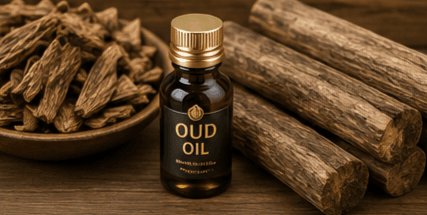
Post-harvest
Processing, grading, and sale of chips, oil, or whole logs
Not all agarwood plantations are equal. The difference between a viable investment and a failed one comes down to five factors:
Legitimate Seedling Sources
Certified Aquilaria seedlings from a licensed, traceable source and with species validation.
Best Plantation Practices
Correct species selection, soil preparation, and ongoing husbandry
Proven Inoculant Technology
Science-validated, not proprietary claims without evidence
Regulatory Compliance
Planted under proper DENR licensing; all documentation in order
A Real Off-Take Market
Committed buyers with a track record, not a verbal promise
UAPI addresses all five, which is what is needed for success in the agarwood industry.